
Welding Rods
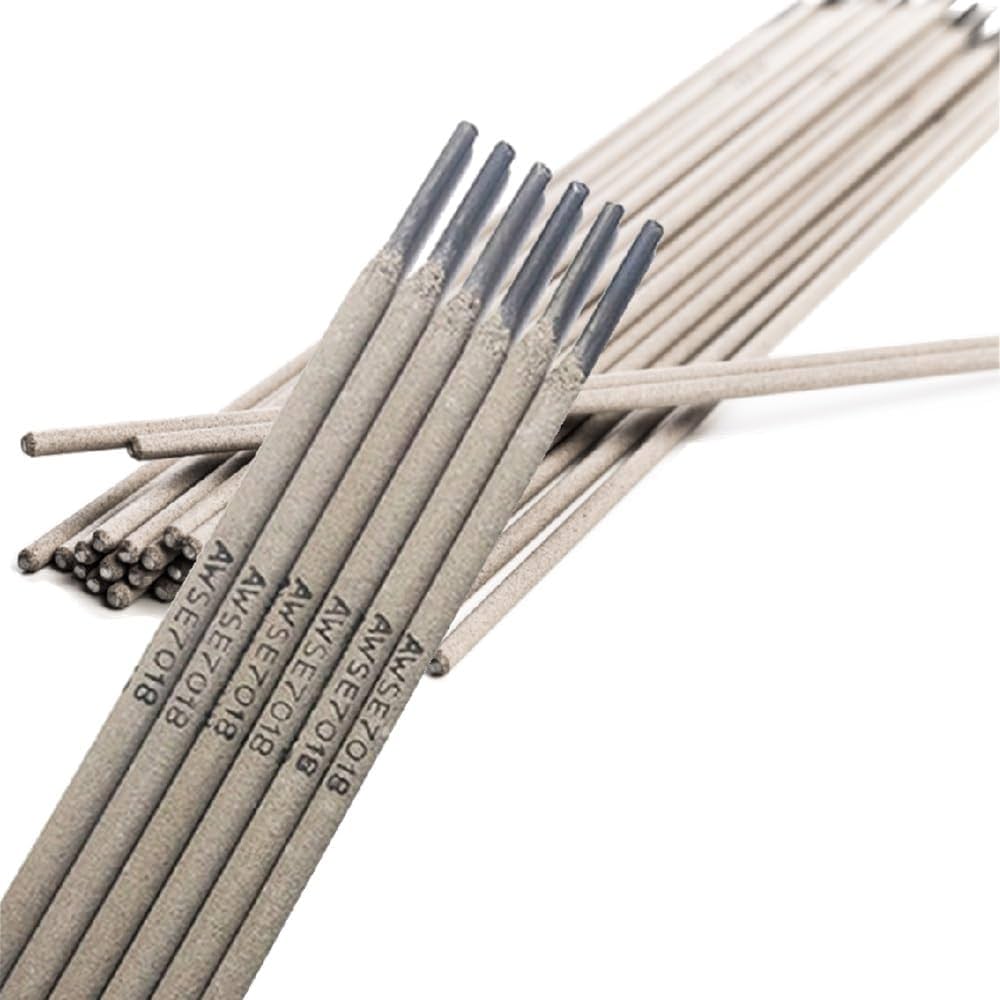
Welding rods, also called electrodes, are essential in welding because they provide the filler metal needed to join materials and conduct the electric current for the arc. These rods come in various types, each designed for specific applications and materials, and can be either consumable (melting into the weld) or non-consumable.
Here's a more detailed breakdown:
-
Types:
- Consumable: These rods are melted during the welding process and become part of the weld. They are commonly used in stick welding (SMAW).
- Non-consumable: These rods, like tungsten rods, do not melt during welding and are used in processes like TIG welding.
-
Composition:
Welding rods are typically made of metal or alloy, often with a flux coating to help protect the weld from contamination and impurities.
-
Application:
The choice of welding rod depends on the materials being welded, the welding process, and the desired weld properties.
-
Examples:
- E6013: A popular mild steel rod for general-purpose stick welding, known for its versatility and ease of use.
- 7018: Another common mild steel rod, often preferred for its deep penetration and high weld strength.
- Stainless Steel Rods: Used for welding stainless steel and alloys.
- Cast Iron Rods: Specialized rods for welding cast iron.
-
Function:
Welding rods provide the filler metal that is melted and fused to create a strong, reliable weld. They also conduct the electric current required to generate the welding arc.